Endobiogeny is one of the complementary and alternative healthcare methods legally practised in Lithuania.
It is an interpretive model of systems biology, based on the interpretation of laboratory tests, which makes it possible to assess how a particular person's body adapts.
Endobiogeny assesses how our body interacts with the environment and adapts to constantly changing conditions. According to the principles of endobiogeny, adaptation is managed by the neuroendocrine system, with the participation of the digestive and excretory organs.

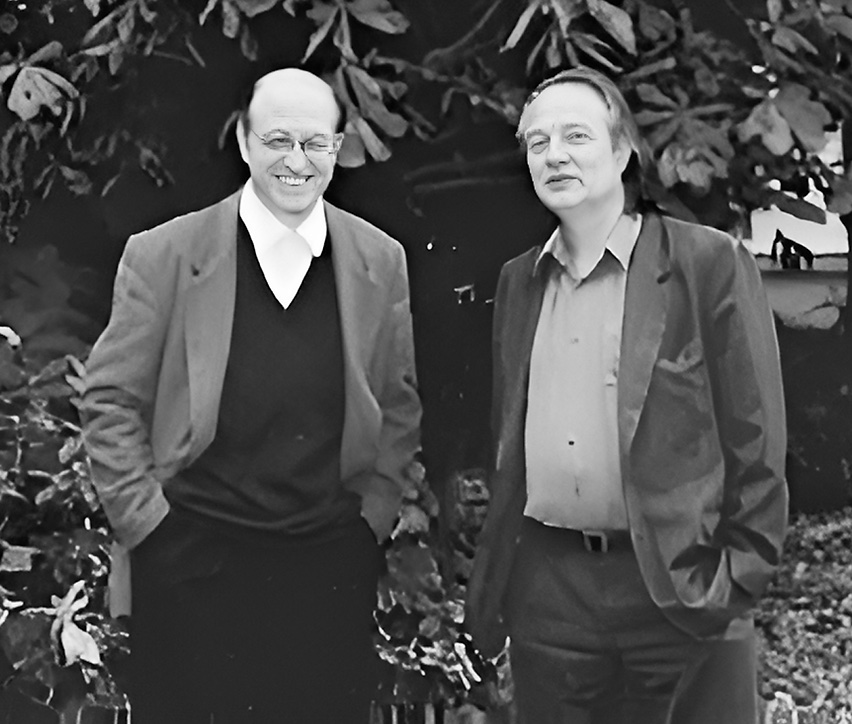
Endobiogeny took shape in the 1970s in France, created by two visionary physicians – Dr. Christian Duraffourd and Dr. Jean-Claude Lapraz.
Their collaboration not only established clinical phytotherapy in oncology, but also helped create an innovative method that uses biological indexes of body function to reveal each person's unique health story.
The Institute of Endobiogeny begins its work in Lithuania.
J. C. Lapraz and M. L. de Clermont-Tonnerre's "Individualised Medicine. Endobiogeny" is published in Lithuanian for specialists and the public.
The first endobiogeny training courses are held.
The first Endobiogeny Clinic in Lithuania opens its doors in Vilnius.
Endobiogeny is recognised as part of complementary and alternative healthcare (CAH). The CAH specialist training programme prepared by the institute is approved.
The first issue of the annual journal "Endobiogeny. Knowledge Shaping the Future" is published.
The Endobiogeny Clinic opens its doors in Kaunas.
The Endobiogeny Clinic transforms into the Endobiogeny Specialists Platform, open to all specialists.

How would you like to continue?
The conversation is saved – next time you won't have to start over.
– a one-off conversation.
Sorry, the assistant is currently unavailable. Search for specialists in the catalogue: Open page